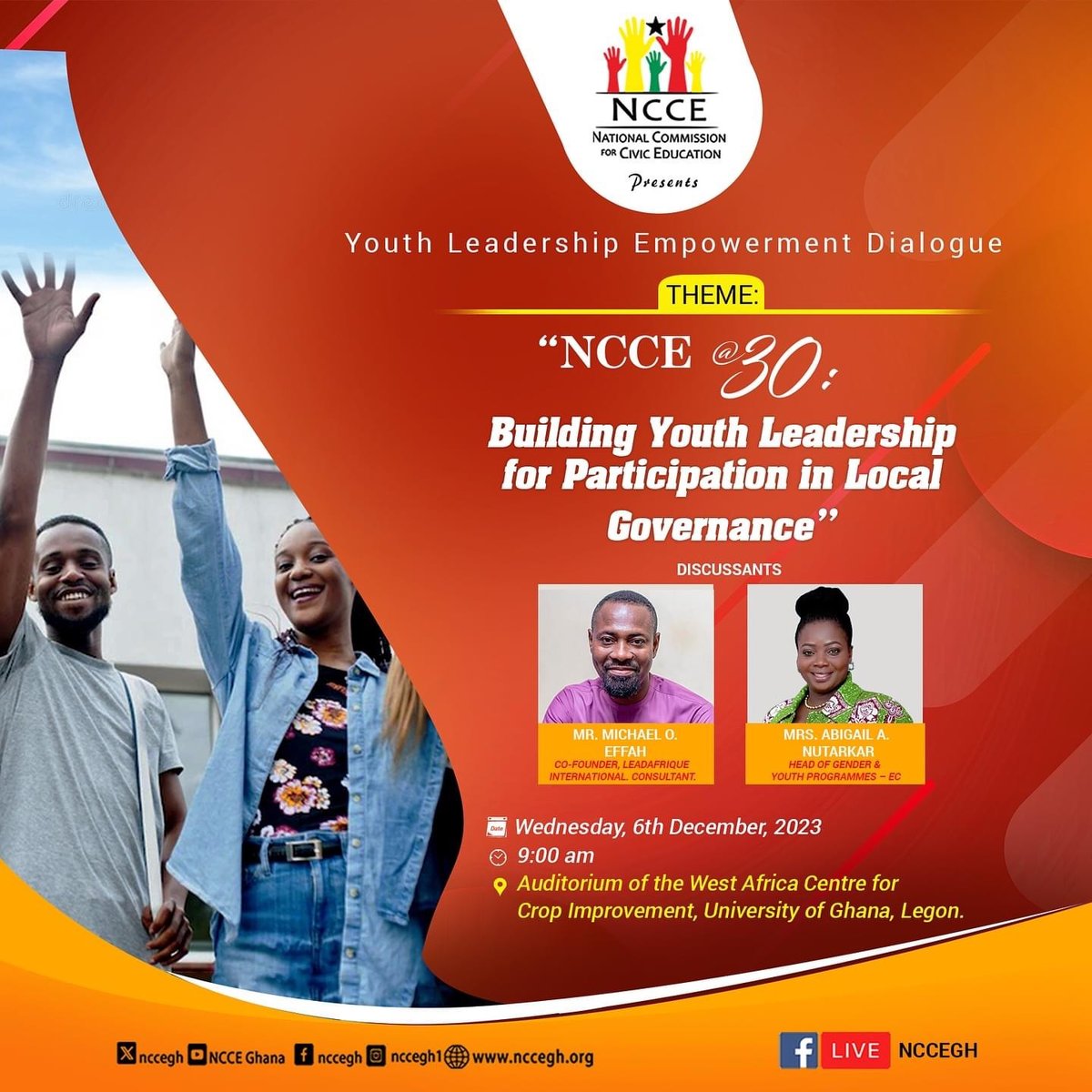
Imagine a world where the future is shaped not just for young people, but by them. Where their insights, energy, and perspectives are not just heard, but actively integrated into the policies and decisions that affect their lives and communities. This isn't a utopian dream; it's the tangible, transformative power of Youth Leadership & Empowerment. It's about intentionally cultivating environments where young individuals can develop essential skills, find their voice, and drive meaningful change, moving beyond mere participation to genuine influence.
The stakes couldn't be higher. From climate change to social justice, mental health to economic opportunity, the challenges facing our world demand fresh thinking and bold action. And who better to offer that than the generation poised to inherit these issues?
At a Glance: Understanding Youth Leadership & Empowerment
- More Than Just Participation: It's about giving young people genuine power to influence decisions.
- Builds Essential Skills: Fosters critical thinking, communication, problem-solving, and collaboration.
- Drives Real-World Change: Leads to better policies and more inclusive communities.
- Combats Systemic Exclusion: Specifically uplifts voices that have been historically marginalized.
- Requires Adult Allyship: Calls for adults and institutions to shift power, not just delegate tasks.
- It's an Investment: Benefits society as a whole, not just young individuals.
Beyond the Buzzword: What "Youth Leadership & Empowerment" Truly Means
Let's cut through the jargon. "Youth leadership" isn't just about school captains or student council presidents, though those roles are important. It's about equipping young people with the agency, skills, and confidence to lead in diverse settings—whether that's organizing a community clean-up, advocating for mental health resources, or advising state legislators on policy.
"Empowerment," in this context, moves beyond simply "giving" power. It's about recognizing the inherent power young people already possess and removing barriers so they can exercise it effectively. It means valuing their lived experiences, trusting their judgment, and providing the tools and platforms they need to act on their convictions. It's a shift from adults being the sole arbiters of change to becoming supportive allies and facilitators, creating pathways for young people to lead authentically.
Why Now? The Urgent Case for Investing in Young Leaders
The world is changing at an unprecedented pace, and many traditional systems are struggling to keep up. Young people, often at the forefront of these shifts, offer unique perspectives and innovative solutions that adults, bound by existing paradigms, might miss.
Consider the climate crisis. Young activists like Greta Thunberg didn't just raise awareness; they galvanized global movements and pressured world leaders to act. Or think about digital literacy and social connectivity: young people are digital natives, inherently understanding new communication channels and leveraging them for advocacy in ways previous generations couldn't.
Investing in youth leadership isn't just a feel-good initiative; it's a strategic imperative. It prepares the next generation to tackle complex problems, fosters civic engagement, and builds resilient, adaptive communities. When young people are empowered, they become active contributors to society rather than passive recipients of its conditions. This engagement model ensures better, more relevant outcomes, as the beneficiaries of policies become co-creators of those policies.
The Empowerment Paradox: Bridging the Gap Between Intent and Impact
While the concept of youth empowerment is widely embraced, its implementation often falls short. Many initiatives, despite good intentions, inadvertently create a "tokenism trap"—where young people are invited to the table but lack real influence, or are expected to conform to adult-driven agendas. True empowerment requires a deliberate shift in power dynamics, which can be uncomfortable for established institutions and adult leaders.
This paradox manifests in several ways:
- Lack of Genuine Decision-Making Power: Young people are consulted but not given authority to make final decisions.
- Limited Resources and Support: Programs might lack funding, training, or mentorship necessary for impactful youth-led initiatives.
- Exclusion of Diverse Voices: Efforts might inadvertently center privileged youth, failing to reach those from marginalized backgrounds whose voices are most critical.
- Short-Term Focus: Programs often prioritize immediate outcomes over long-term skill building and sustained engagement.
Overcoming this paradox requires intentional design and a commitment to shared power, ensuring that youth leadership isn't just a performance, but a fundamental change in how decisions are made and implemented. It demands that adults move from "doing for" to "doing with," and eventually, to "stepping back and supporting."
Pathways to Power: How Youth Leadership Translates to Policy
Perhaps the most impactful arena for youth leadership and empowerment is in the realm of policy. When young people directly inform legislative and fiscal decisions, the ripple effect is profound, leading to more equitable and effective outcomes. This isn't merely theoretical; it's happening.
A prime example is the California Youth Empowerment Commission. Established through the California Youth Empowerment Act (AB-46), this body directly addresses the critical need to involve young people in policy-making. It's a groundbreaking model for how states can institutionalize youth voice at the highest levels.
How the California Youth Empowerment Commission Works
This isn't a symbolic gesture; it's a fully fledged commission with significant responsibilities. It comprises 13 voting commissioners, aged 14 to 25, appointed by the Governor and other state officials. Their mandate is clear and powerful:
- Advise Policymakers: They provide direct recommendations to the Legislature, the Superintendent of Public Instruction, and the Governor on legislative and fiscal issues impacting youth.
- Draft and Approve Legislation: The commission can draft and approve resolutions and even model legislation, demonstrating a direct pathway from youth insight to legal frameworks.
- Conduct Public Hearings: They engage directly with community and youth organizations to identify pressing issues and debate priorities, ensuring their work is grounded in lived experience.
The commission focuses on a broad spectrum of critical issues that directly affect young Californians, including: - Education and Career Preparation
- Mental and Physical Health
- Homelessness and Housing
- Juvenile Justice and Foster Care
- Climate Crisis and Civic Engagement
As Thomisha Wallace, Executive Director of the Youth Empowerment Commission, powerfully states: "The Youth Empowerment Commission has an unprecedented opportunity to uplift the voice of California’s disadvantaged youth by providing policy, legislative, and fiscal recommendations that are reflective of voices that have historically been excluded from the process of creating equitable solutions for young Californians." This quote perfectly encapsulates the dual purpose: policy-making and equity. It highlights that empowerment isn't just about leadership; it's about justice and representation for those whose voices have been systematically silenced.
Beyond California: Models for Youth Policy Influence
While California offers a robust model, various other approaches exist for integrating youth voice into policy:
- Youth Advisory Councils (YACs): Many cities and counties have YACs that advise local government bodies on youth-related issues.
- Youth Parliaments/Congresses: These simulate legislative processes, allowing young people to debate, draft, and present policy proposals to elected officials.
- Dedicated Youth Ministers/Commissioners: Some governments appoint young individuals to specific roles within ministries, ensuring a youth perspective is integrated into departmental decisions.
- Participatory Budgeting: In some municipalities, young people are directly involved in deciding how a portion of the public budget is allocated.
These models, while varied, share a common thread: a recognition that young people are not just passive recipients of policies but active stakeholders with valuable insights that can lead to better governance.
Building Blocks of Empowerment: Key Principles for Effective Programs
For any initiative aiming to foster youth leadership and empowerment, certain foundational principles are non-negotiable. These aren't mere suggestions; they are the bedrock upon which genuinely impactful programs are built.
- Authentic Engagement, Not Tokenism:
- Principle: Young people must have genuine opportunities to influence decisions, not just to rubber-stamp adult-led agendas. Their ideas should be sought, respected, and, where feasible, implemented.
- How to achieve it: Involve youth from the ideation phase, not just implementation. Give them voting power on committees. Let them set meeting agendas.
- Skill Development that Matters:
- Principle: Empowerment isn't just about passion; it's about providing the practical skills needed to translate passion into action. This includes public speaking, critical thinking, project management, budgeting, advocacy, and collaborative problem-solving.
- How to achieve it: Offer workshops, mentorship, and real-world projects that allow them to practice and refine these skills in a supportive environment.
- Mentorship and Robust Support Systems:
- Principle: Young leaders, especially those navigating complex systems, need guidance, encouragement, and a safety net. Mentors can provide institutional knowledge, strategic advice, and emotional support.
- How to achieve it: Pair youth leaders with experienced professionals or community elders. Create peer support networks. Ensure access to mental health and well-being resources.
- Equity and Inclusion at the Core:
- Principle: Empowerment must be intersectional. Efforts must actively seek out and uplift the voices of youth from marginalized communities—racial and ethnic minorities, LGBTQ+ youth, youth with disabilities, those from low-income backgrounds, or those in foster care. These are often the voices most excluded from traditional power structures.
- How to achieve it: Deliberately recruit diverse participants. Provide transportation, childcare, and stipends to remove participation barriers. Design programs in culturally competent ways.
- Ownership and Decision-Making Authority:
- Principle: True leadership requires the ability to make choices and bear responsibility for outcomes. This includes setting goals, defining strategies, and managing resources.
- How to achieve it: Allocate budgets directly to youth-led projects. Allow youth committees to vote on resource allocation. Support them through failures as learning opportunities.
Leadership in Action: Practical Ways Young People Can Lead Today
You don't need a commission or a formal title to start leading. Every young person has the capacity to drive change in their own sphere. Here are practical avenues:
- Local Activism and Community Organizing: Identify an issue you care about in your neighborhood—it could be a lack of safe spaces, environmental concerns, or supporting local businesses. Organize a petition, start a grassroots campaign, or volunteer with an existing community group.
- Digital Advocacy and Storytelling: The internet is a powerful tool. Use social media platforms, blogs, or podcasts to raise awareness, share your experiences, and mobilize others around causes you believe in. A well-crafted video or a compelling story can go viral and influence public opinion rapidly.
- School and Campus Leadership: Beyond traditional student government, look for opportunities to lead initiatives like peer mentorship programs, diversity and inclusion clubs, environmental sustainability projects, or mental health awareness campaigns within your educational institution.
- Entrepreneurship with Purpose: Start a social enterprise that addresses a community need. This could be anything from developing an app to connect homeless youth with resources to creating an eco-friendly product. Entrepreneurship builds business acumen alongside social impact.
- Direct Dialogue with Decision-Makers: Attend town hall meetings, write letters to your local representatives, or even request a meeting with an elected official. Prepare your arguments, present your case respectfully, and follow up. Many policymakers are genuinely interested in hearing from their younger constituents.
For Organizations & Adults: Becoming True Allies, Not Gatekeepers
Adults and established organizations play a pivotal role in either fostering or hindering youth leadership. Shifting from a gatekeeper mentality to one of genuine allyship is crucial.
- Shift Power Dynamics: Understand that sharing power isn't losing power; it's multiplying impact. Be prepared to cede control, listen more than you speak, and trust young people to lead. This often means being okay with different approaches and outcomes than you might have initially envisioned.
- Provide Resources, Not Solutions: Offer funding, space, connections, and administrative support. Instead of dictating the "what" and "how," ask young people what resources they need to achieve their goals. Your role is to clear the path, not pave it in your own direction.
- Create Safe and Inclusive Spaces: Ensure that environments where youth are meant to lead are physically and psychologically safe, free from judgment, discrimination, or intimidation. This means actively dismantling biases and creating a culture of respect and openness. Training adults on inclusive practices is often a critical first step.
- Measure Real Impact, Not Just Participation: Move beyond counting how many youth showed up. Instead, measure indicators of genuine empowerment: Are young people making decisions? Are their policy recommendations being adopted? Are they developing new skills? Are they seeing themselves as agents of change?
Common Misconceptions About Youth Leadership
Despite growing recognition, several myths about youth leadership persist, often stemming from adult-centric biases or a lack of understanding. Let's debunk a few:
- "They're too young to know what they're doing."
- Reality: While experience brings a certain kind of wisdom, youth brings fresh perspectives, an inherent understanding of emerging trends, and a willingness to challenge the status quo. Their lived experiences are invaluable sources of knowledge, especially concerning issues directly affecting their generation.
- "It's just tokenism; they don't really want responsibility."
- Reality: If young people are offered genuine responsibility and support, they consistently rise to the occasion. Tokenism is often a symptom of adults not trusting youth or not providing adequate resources, leading to disengagement, not a lack of desire for impact.
- "They lack the experience to lead effectively."
- Reality: Leadership isn't solely about years of experience; it's about skills, vision, and the ability to inspire and organize others. Young people can develop these skills rapidly when given opportunities, mentorship, and a platform. Many start-ups and social movements are proof that age is not a prerequisite for effective leadership.
- "Youth leadership is only for 'gifted' or 'naturally charismatic' kids."
- Reality: Leadership comes in many forms. Not every leader needs to be an orator or a born extrovert. Quiet organizers, thoughtful researchers, empathetic listeners, and strategic thinkers are all vital to effective leadership. Empowerment programs should identify and cultivate diverse leadership styles.
The Ripple Effect: Broader Benefits of Empowering Young Voices
The impact of robust youth leadership and empowerment extends far beyond the individuals directly involved. It creates a ripple effect that strengthens entire communities and societies.
- Improved Policy Outcomes: Policies informed by youth perspectives are more relevant, inclusive, and effective, especially on issues like education, mental health, and climate action.
- Enhanced Civic Engagement: When young people feel heard and valued, they are more likely to stay engaged in civic life throughout adulthood, leading to stronger democracies.
- Reduced Social Inequities: By intentionally uplifting marginalized voices, youth empowerment initiatives contribute to a more just and equitable society, addressing systemic imbalances.
- Innovation and Creativity: Young people often bring disruptive ideas and creative solutions that challenge conventional wisdom, driving progress in various sectors.
- Community Cohesion: When youth are empowered, they often become connectors, bridging divides between generations and different community groups, fostering a stronger sense of collective identity.
Your Next Move: Amplifying Youth Power
The journey to genuinely empower young leaders is ongoing, but the path is clear. For young people, it means stepping up, taking initiative, and seeking out opportunities to make your voice heard. For adults, it means stepping aside, providing resources, and championing authentic youth leadership.
Whether you're a young person eager to make a difference, an educator looking to foster leadership in your students, or an organization committed to better community outcomes, the call to action is the same: invest in youth, trust their vision, and create the spaces for them to lead. The future depends on it.
To delve deeper into how communities are building these vital networks and supporting the next generation of leaders, Explore our action network.